

Startup Revenue Growth
Is it essential?

Startup - Revenue - Growth.
Those 3 words seem like they must go together. Always? Is that true? It depends.
Is growth essential? It depends where you are along the funding spectrum.
It’s one of the most important jobs of the startup CEO - controlling and stimulating growth.

NO GROWTH
If you’re a small, bootstrapped company that you intend to keep small, then growth is not as important. It’s called a “lifestyle” company (a very bad term to VCs), sustaining enough revenue to keep it going to satisfy the income/lifestyle needs of everyone concerned. That feat is harder to pull of than it sounds. Most companies are growing or contracting.
Some people try to actually take their business down to the bare minimum, solopreneuring, like Paul Jarvis. He tries to be as minimal as possible, indicated by his book COMPANY OF ONE. It’s a great read if you’re looking for that option.
However, flat to negative revenue growth can be a real red flag in any business, unless you’re the corner market and have fixed expenses. Even then you’re very vulnerable.
No growth in an internet business is even more of a red flag. After all, the market itself is still growing quickly. For early stage companies, once they start first revenues, the clock starts ticking. Your stakeholders start to wonder what is going wrong? Did we build the wrong product? Are we becoming passé? Where is our audacity? Time for a new CEO? And all those other depressing clichés.
Also, other companies may start eating up your market share, look more vital.
Almost every startup I’ve been involved in has been seeking high growth, venture capital financed.
CASE STUDY — Seeking High Growth
Two years ago I consulted to a startup in the social media space, focused on online posting services for retail and consumer companies. They had a strong set of product features, a decent SaaS model, and some real revenues. They had raised a $4 million seed round just before I got involved, so now the main goal was growth, fast growth.
Their problems were twofold:
1. their revenues were erratic and not a controlled, smooth, predictable process, and
2. their marketing was seat of the pants, whatever the CMO thought of that month. The CMO had great excuses for all this - we’re pivoting, marketing strategies mean nothing, etc. - but no marketing strategy will disrupt your revenue plan and kill your company eventually.
The revenue for the past 3 years had been essentially flat, about $2 million annual. The number was not so bad, but the flatness, lack of growth was alarming since their stated goal is high growth and they’ve taken on venture money. They should have been about $10 million annual by the time I walked in. No one in the company knew how to actually cause growth methodically.
Were they dying? Could they be saved? Should they restructure and be happy with a “lifestyle” company?
The investors were pretty much done with them, not answering their calls.
The founder had made one critical mistake — getting too tied up legally with his original co-founder, who left, so the cap table of the company was a mess. It’s a great lesson of the many factors that can kill a company’s growth.
My plan for them was first of all to have a real, well thought out, tested strategy, remove the CMO, restructure the equity, and try for moderate growth asap while sowing the seeds of more exponential growth.
The new market strategy was to focus way down into only higher end retail with strong online presence. A year later they had grown about 30%, a dismal rate for any venture investor, but it caused a healthy change inside the company and new passion for the business. Revenue growth is like an elixir, especially after you’ve failed to achieve it.
Covid changed retail, but our focus on online turned out to be lucky — revenue jumped in 2020. The company is now running at about a $10 million annual rate.
They’re lucky, they will probably do well going forward. But most startups don’t pull out of such a nose dive. If you're venture funded, things can get kind of ugly fast. Unhappy board members will stop talking to you, you’ll cut off from communications, you may have to take a “down round” to keep you going, and will lose it all eventually.
Revenue, Revenue
Many early stage founders and founder/CEOs aren’t sure how to handle this requirement for success. What about users? Eyeballs? Hits? Press Mentions? Those are all nice and should be designed to impact revenues, but eventually aren’t a real measurement.
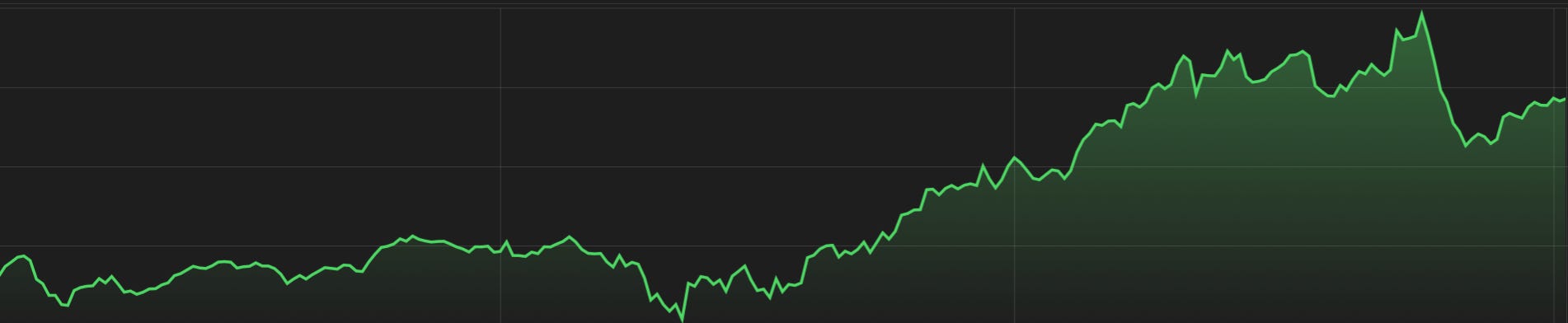
Revenue growth must be the core strategy and drive all other strategies.
Continued growth becomes more and more difficult for larger companies, you must “feed the monster” as it grows. Many companies hit the wall after strong growth then never came back, like MySpace, Yahoo, Dell, Fedex.
Even Google has had a slowing growth rate, attracting attention for this problem and losing key employees. This has triggered costly preventative actions - across the board raises, switching out their CEO, spawning new competitors.
Companies that hit their “first millions” then get stuck, and often panic. I was once VP of Sales for a startup that went from zero to $10 million in one year, then back to zero the following year. Talk about panic! That's an extremely contracted timeline for up then down the growth curve, but the general trend is not that unusual in startup land — up then down quickly.
In our case we didn't have our internal house in order, and didn't know how to handle our sudden success - no strategic planning and thereby no adherence to such a plan. We died within another year amidst lawsuits and bad feelings all around.
The bottom line is that continuous growth, at a good rate, is imperative for most tech startups. If this is a hole in your business strategy, don’t ignore it. Put your heads together, hire expertise, call your advisors, revisit your business models, sacrifice sacred cows, and respect this key piece of your success.